
In a modern particle board production line, screening is an important step in controlling the quality and consistency of wood flakes.
After chipping and flaking, wood material normally contains different particle sizes and fractions. A Super Screen separates these materials before they move into downstream processes such as drying, gluing, forming and pressing.
While operators often focus on major components such as the screen mesh, rollers and drive system, some smaller mechanical components are equally important to the stable operation of the equipment.
Super Sieve Legs are one of these components.
Although they may appear relatively simple compared with the main screening structure, their condition can influence the mechanical stability and operating performance of the Super Screen.
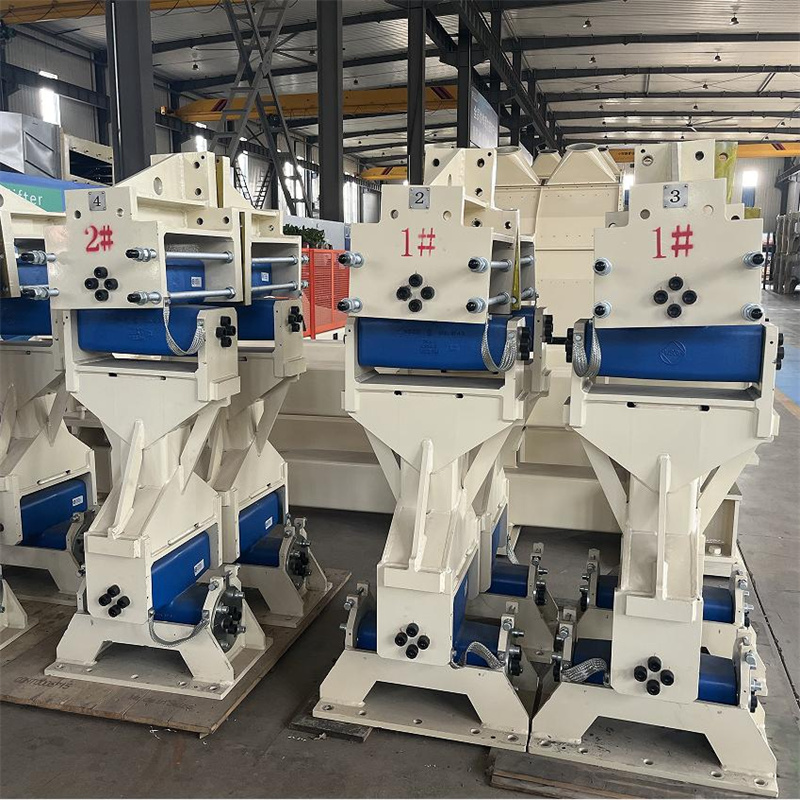
Super Sieve Legs are supporting components used in the structure of certain Super Screen or Super Sieve systems.
Their primary function is to provide structural support and maintain the correct position of the screening assembly.
During operation, the screening system continuously experiences mechanical movement, vibration, material impact and dynamic loads.
The supporting legs therefore need to maintain sufficient:
A reliable support structure provides the foundation for the screening components above it.
The Super Screen is a complete mechanical system rather than a single component.
Its operating condition depends on the interaction between:
Screen Mesh
V Rollers
Screen Frame
Super Sieve Legs
Drive Components
Supporting Structure
If the support structure becomes unstable, other components may also experience abnormal operating conditions.
This is why Super Sieve Legs should not be regarded as an insignificant accessory.
One of the most basic functions of Super Sieve Legs is to support the screening assembly.
During continuous production, the screen structure is subjected to repeated mechanical loads.
The legs help transfer these loads to the supporting structure.
If the legs are damaged, deformed or incorrectly installed, the load distribution may change.
Over time, this can potentially affect the stability of the complete screening system.
Correct positioning is important for screening equipment.
The screen frame, rollers and other components need to maintain their designed positions during operation.
Worn or deformed support legs may contribute to changes in equipment alignment.
Potential consequences can include:
Therefore, checking the condition of the supporting legs should be included in regular equipment inspections.
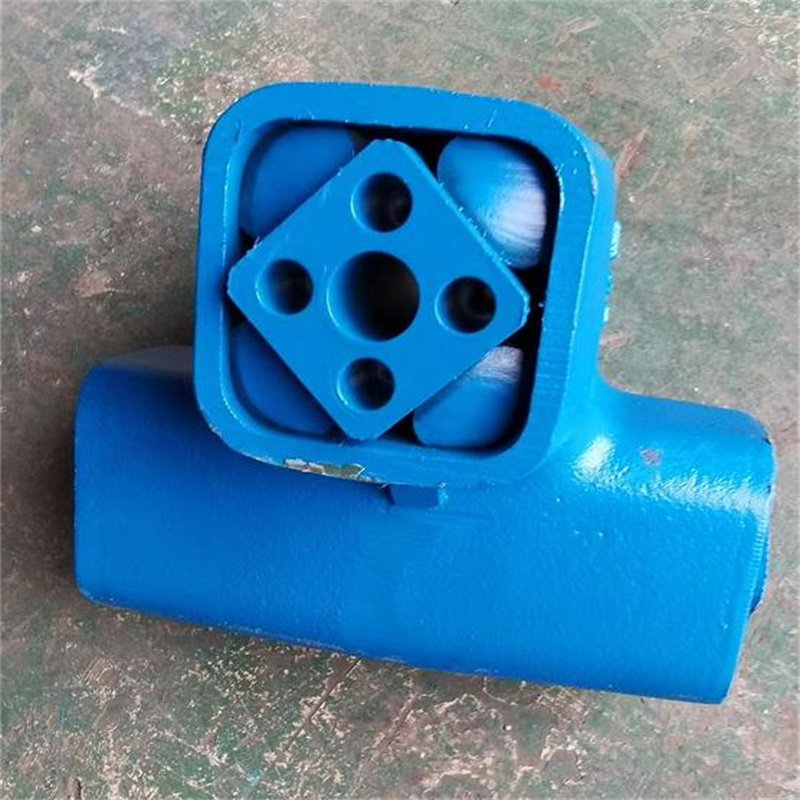
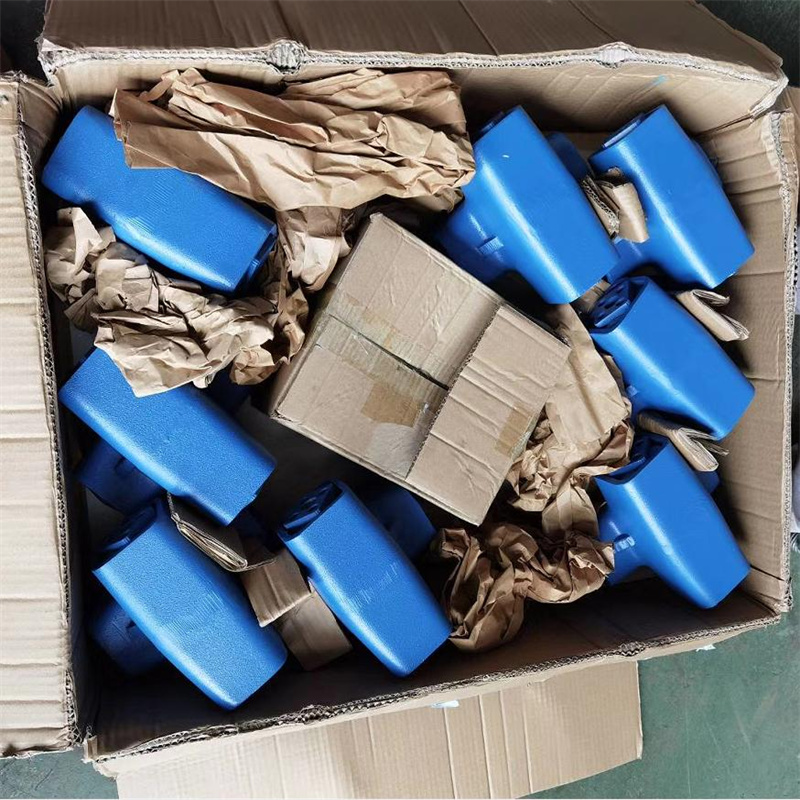
A Super Screen operates continuously and generates mechanical movement during screening.
When the supporting structure is stable, mechanical forces can be transferred more consistently.
However, damaged or loose Super Sieve Legs may allow unwanted movement or vibration.
Operators should pay attention to:
New or Increasing Vibration
Unusual Mechanical Noise
Movement of the Screen Structure
Loose Fasteners
Visible Deformation
These signs may indicate that the support structure requires inspection.
An important point is that a small support component can influence the service life of larger and more expensive parts.
For example:
Damaged Super Sieve Leg
↓
Structural Instability
↓
Abnormal Load Distribution
↓
Increased Component Wear
↓
Higher Maintenance Requirements
This means replacing a worn support component at the appropriate time may help prevent secondary problems in the screening system.
Like other mechanical components, Super Sieve Legs can gradually deteriorate under long-term operating conditions.
Common issues may include:
Continuous mechanical movement and contact can gradually reduce component dimensions.
Heavy loads or abnormal operating conditions may cause structural deformation.
Severe mechanical stress or impact may result in visible damage.
Fasteners and connection points may loosen due to long-term vibration.
Moisture and the production environment can contribute to surface corrosion.
These problems should be identified during routine maintenance.
There is no universal replacement interval because service life depends on the actual working environment.
Factors include:
Instead of replacing the component according to a fixed schedule alone, operators should inspect its actual condition.
Replacement should be considered when there is:
Visible deformation
Severe wear
Cracking
Structural damage
Installation instability
Abnormal movement
The replacement part should match the original equipment's dimensions and installation requirements.
Super Sieve Legs work as part of the complete screening system.
Common related spare parts include:
Responsible for the separation and classification of wood flakes.
Supports the movement and operation of the screening system.
A wear component associated with the roller assembly.
Provides structural support for the screening surface.
Support and stabilize the screening structure.
Together, these components contribute to the overall performance of the Super Screen.
In particle board production, screening equipment may operate continuously for long periods.
A spare part should therefore not only match the basic dimensions but also meet the mechanical requirements of the application.
For Super Sieve Legs, important considerations include:
Material Quality
The material should be suitable for the expected mechanical loads and operating environment.
Dimensional Accuracy
Correct dimensions are important for installation and equipment alignment.
Structural Strength
The component needs to withstand continuous mechanical loading.
Manufacturing Quality
Consistent manufacturing helps improve component compatibility.
Surface Protection
Appropriate surface treatment can help improve resistance to the operating environment where required.
HUATAO supplies Super Screen spare parts for particle board and wood-based panel production lines.
Our screening-related products include:
For replacement projects, customers can provide:
Original Part Number
Technical Drawing
Dimensions
Photos
Equipment Model
Existing Part Sample
Based on these details, HUATAO can evaluate the required spare part and provide a suitable manufacturing solution.
The screening section connects material preparation with downstream processing.
A simplified production sequence is:
Chipping
↓
Flaking
↓
Super Screening
↓
Drying
↓
Gluing
↓
Forming
↓
Pre-Pressing
↓
Continuous Pressing
↓
Sanding
The quality of the final board is influenced by many factors throughout this process.
A stable screening system helps maintain better control over the wood material before it enters subsequent stages.
Super Sieve Legs may be only one component of this system, but their supporting role should not be overlooked.
Super Sieve Legs are small but important structural components in Super Screen systems.
Their role goes beyond simply supporting the equipment.
Properly manufactured and maintained Super Sieve Legs can help maintain the structural stability, alignment and reliable operation of the screening system.
For particle board manufacturers, regular inspection of support components is just as important as checking the screen mesh and rollers.
When replacement is required, selecting components with the correct dimensions, material and structural strength is essential.
HUATAO provides Super Sieve Legs, Super Screen Mesh, V Rollers, Screen Frames and other screening spare parts for particle board production lines.
HUATAO Wood-Based Panel Machinery Co., Ltd.
Email: bella@huataogroup.com
WhatsApp / Tel: +86 17731169773
Website: www.woodpanelmachinery.com
For Super Sieve Legs and other Super Screen spare parts, please send us your drawings, photos, dimensions or original part numbers for evaluation.
#HUATAO #SuperSieveLegs #SuperScreen #SuperSieve #SuperScreenSpareParts #ParticleBoardScreening #ParticleBoardProduction #FlakeScreen #FlakeScreenParts #ScreenMesh #VRoller #VRollerPlate #ScreenFrame #ScreeningMachine #ParticleBoardMachinery #WoodBasedPanelMachinery #WoodFlakeScreening #ScreeningSpareParts #WoodProcessingEquipment #MachinerySpareParts
can not be empty
can not be empty

HUATAO Wood-based Panel Machinery Co., Ltd
ADD : No.298 Zhonghua North Street, Shijiazhuang 050000 China.
TEL : +86 0311 80690567
EMAIL :bella@huataogroup.com
Web: www.woodpanelmachinery.com
 WhatsApp & WeChat : +86 17731169773