
In modern wood-based panel manufacturing, continuous press lines operate under demanding conditions, requiring stable production, consistent product quality and regular equipment maintenance. While major components such as the steel belt, pressing system and drive equipment receive considerable attention, smaller cleaning components also play an important role in daily operation.
The Steel Belt Cleaning Brush Strip is one such component. Installed as part of a steel belt cleaning arrangement, it helps remove residual particles, dust and accumulated deposits from the belt surface.
For MDF, HDF, Particle Board and OSB production lines, maintaining a suitable steel belt cleaning routine helps control contamination and supports more consistent equipment operation.
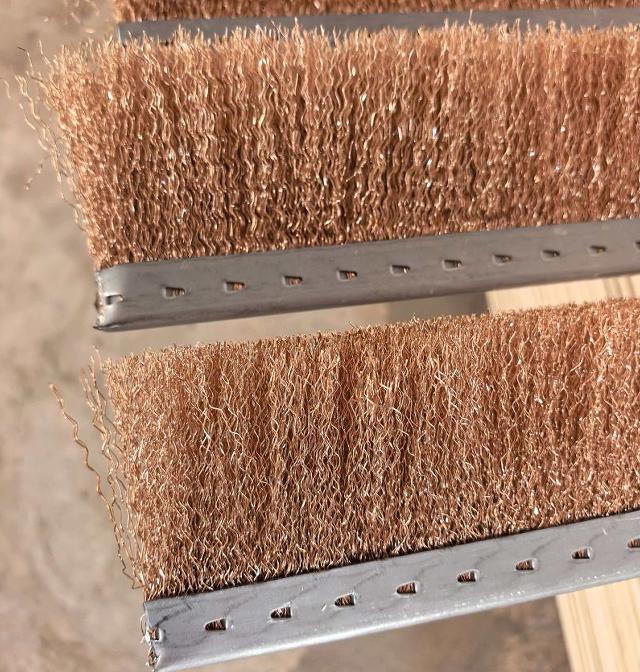
During continuous pressing, the steel belt operates through repeated production cycles and may be exposed to dust, fine particles, resin-related deposits and other contaminants.
If residues accumulate, cleaning becomes more difficult and maintenance requirements may increase. Depending on the equipment design and the nature of the deposits, contamination can also affect the condition of the belt surface.
A properly maintained cleaning system helps remove unwanted material before buildup becomes excessive. The brush strip is therefore an important consumable or replacement component within the overall steel belt maintenance process.
The Steel Belt Cleaning Brush Strip provides the bristles used to contact and clean the steel belt surface. Its effectiveness depends on the relationship between the brush construction, contact conditions and the type of residue being removed.
A suitable brush strip should provide:
Effective cleaning contact to help remove residual particles and deposits.
Appropriate bristle stiffness for the cleaning task and equipment configuration.
Wear resistance to support reliable operation over repeated cleaning cycles.
Dimensional compatibility with the existing brush holder and installation arrangement.
Stable mounting to help maintain the intended cleaning position.
The correct brush specification should be selected according to the actual machine and operating conditions rather than by appearance alone.
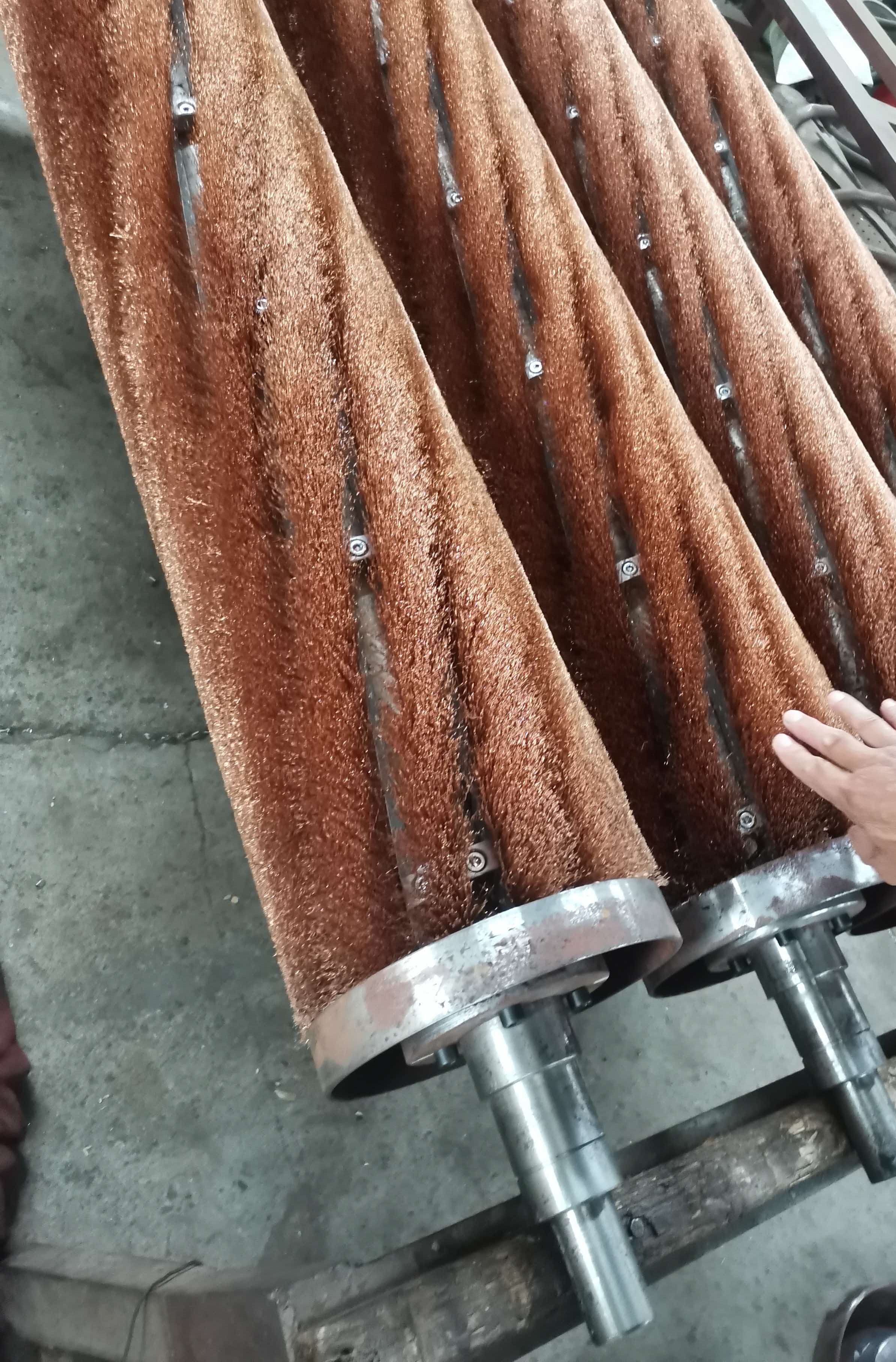
Bristle material and construction influence how a brush strip performs in an industrial environment.
Different applications may require different levels of stiffness, flexibility, abrasion resistance and resistance to operating conditions. Brush density and bristle length also affect the contact between the brush and the steel belt.
A brush that is too soft may not remove certain deposits effectively, while an excessively stiff brush may create unsuitable contact conditions for the specific cleaning arrangement.
For this reason, replacement brush strips should be matched to the original equipment requirements. Material selection should consider the type of residue, cleaning method, operating temperature and the manufacturer's recommended contact conditions.
Brush strips gradually wear during service. Regular inspection can help identify changes before cleaning performance deteriorates significantly.
Common signs to check include:
Worn or shortened bristles: Reduced bristle length may change the effective contact with the steel belt.
Uneven brush wear: Localized wear can result in inconsistent cleaning across the working width.
Damaged or missing bristles: Physical damage may reduce the effective cleaning area.
Persistent residue: If deposits remain after normal cleaning, inspect the brush strip and other parts of the cleaning system.
Loose mounting or deformation: An unstable installation may prevent the brush from maintaining its intended position.
These symptoms do not necessarily indicate that the brush strip is the only source of a cleaning problem. Belt condition, brush pressure, alignment and the overall cleaning arrangement should also be inspected.
A replacement brush strip must fit the existing equipment and mounting structure. Even when two brush strips look similar, differences in length, width, thickness, bristle arrangement or mounting design can affect installation and operation.
Before ordering a replacement, confirm the following specifications:
Overall length and width
Strip thickness and mounting dimensions
Bristle material
Bristle length and density
Brush holder configuration
Installation position
Original part number, if available
Providing photographs, drawings or a sample of the original brush strip can help reduce the risk of an incorrect replacement.
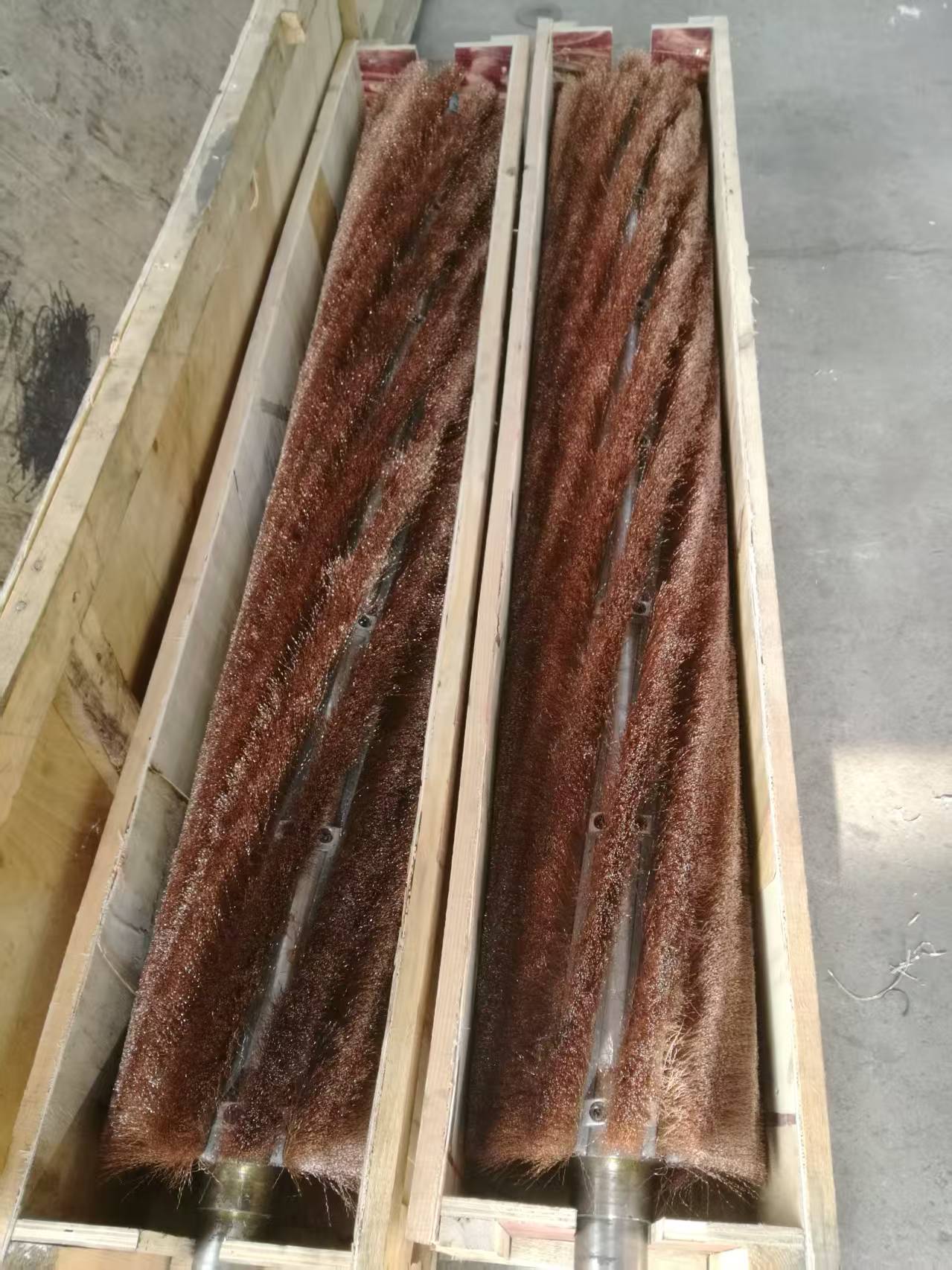
A practical maintenance routine should include regular inspection of the brush strip and the associated cleaning equipment.
Operators should check bristle wear, mounting security, brush alignment and cleaning results. The steel belt should also be inspected for deposits, unusual surface marks or other changes that may require attention.
Replacement intervals should be determined by actual wear, operating conditions and equipment recommendations rather than relying on a single fixed interval for every production line.
Timely replacement of worn brush strips can help maintain the intended cleaning function and reduce the risk of operating with a damaged or ineffective brush.
HUATAO supplies spare parts and customized components for wood-based panel production equipment, including Steel Belt Cleaning Brush Strips for continuous press applications.
These brush strips can be specified according to the customer's equipment dimensions, mounting requirements and cleaning application.
When requesting a replacement, customers are encouraged to provide the machine model, original brush strip dimensions, photographs, technical drawings or available part identification. This information helps determine the appropriate configuration for the existing cleaning system.
For manufacturers operating MDF, HDF, Particle Board and OSB production lines, choosing a compatible brush strip is a practical part of routine steel belt maintenance.
The Steel Belt Cleaning Brush Strip may be a small component, but its condition can influence the effectiveness of the steel belt cleaning process.
Suitable bristle material, correct dimensions, stable installation and timely replacement all contribute to maintaining the intended cleaning function. By inspecting the brush strip as part of regular maintenance, production teams can identify wear early and make more informed replacement decisions.
HUATAO provides Steel Belt Cleaning Brush Strips and other wood-based panel machinery spare parts according to equipment and application requirements.
HUATAO Wood-Based Panel Machinery Co., Ltd.
Email: bella@huataogroup.com
Website: www.woodpanelmachinery.com
For Steel Belt Cleaning Brush Strips and customized continuous press spare parts, please provide your machine model, original part photographs, dimensions or technical drawings for evaluation.
#SteelBeltCleaningBrush #SteelBeltCleaningBrushStrip #SteelBeltBrushStrip #ContinuousPress #ContinuousPressSpareParts #SteelBeltMaintenance #SteelBeltCleaningSystem #MDFProduction #HDFProduction #ParticleBoardProduction #OSBProduction #WoodBasedPanelMachinery #MDFMachinery #OSBMachinery #IndustrialCleaningBrush #BrushStripReplacement #ContinuousPressMaintenance #WoodPanelProduction #MachinerySpareParts #HUATAO
can not be empty
can not be empty

HUATAO Wood-based Panel Machinery Co., Ltd
ADD : No.298 Zhonghua North Street, Shijiazhuang 050000 China.
TEL : +86 0311 80690567
EMAIL :bella@huataogroup.com
Web: www.woodpanelmachinery.com
 WhatsApp & WeChat : +86 17731169773